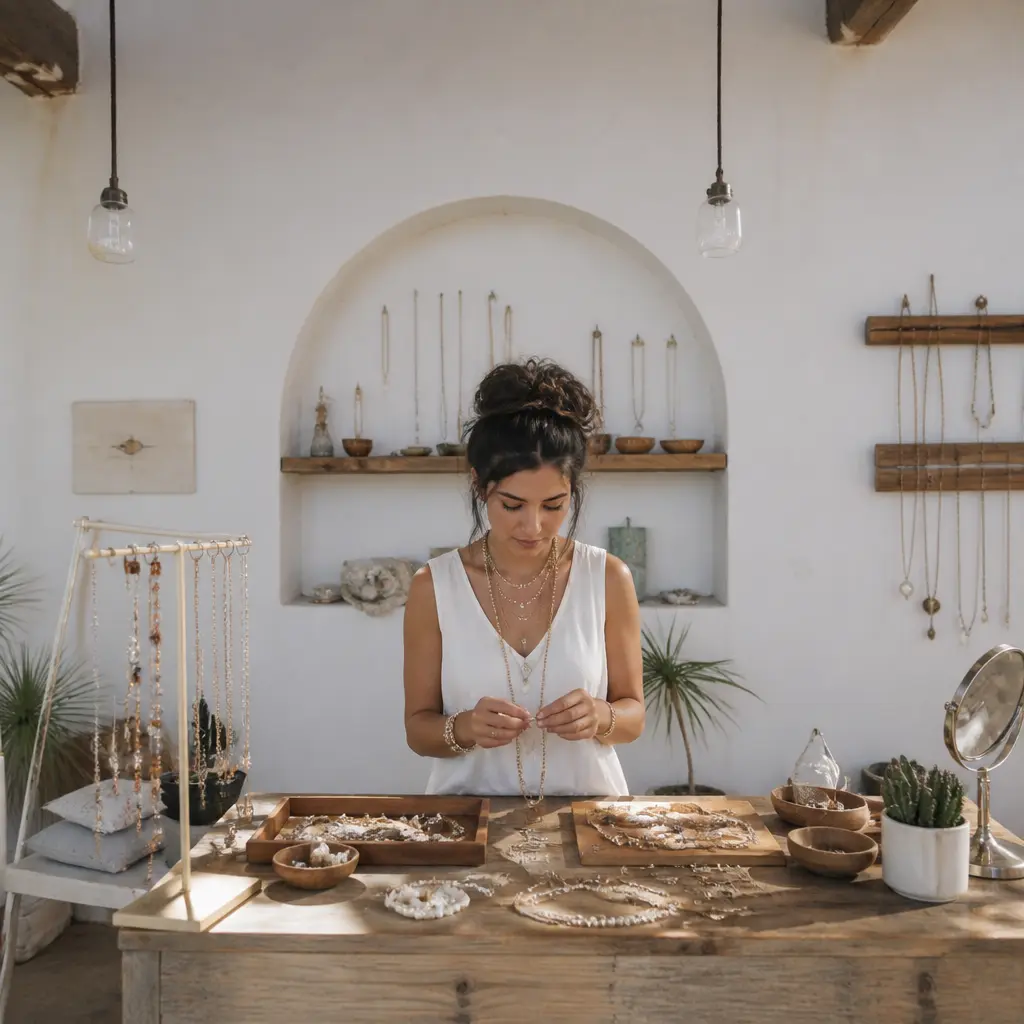
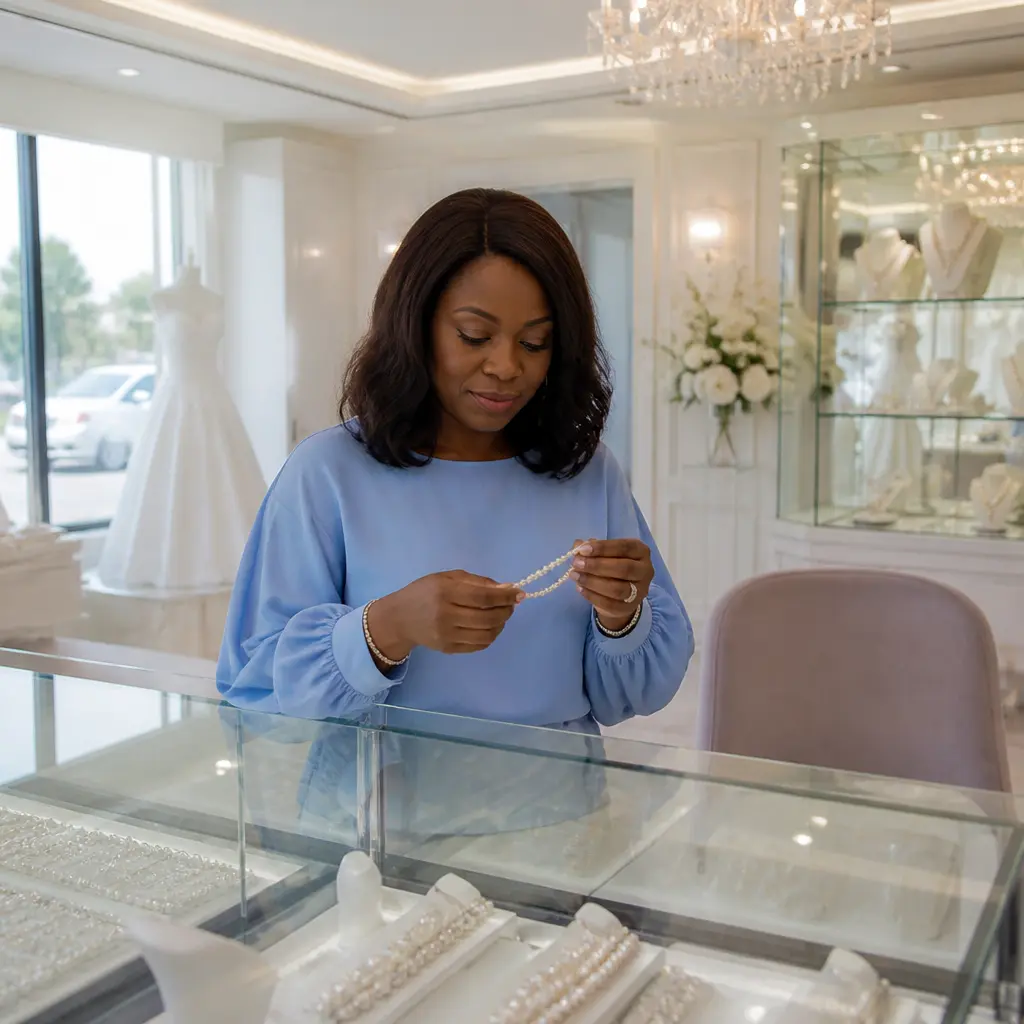
Pearl tennis bracelets are flexible jewelry designs that combine a continuous line of pearls with the streamlined silhouette of a classic tennis bracelet. For special occasions, they offer a balance of softness, polish, and wearability: freshwater and Akoya pearls suit weddings and daytime celebrations, while larger South Sea or Tahitian pearls create stronger evening presence. Their importance is practical as well as aesthetic—pearls rank only about 2.5 to 4.5 on the Mohs hardness scale according to the Gemological Institute of America, so choosing a secure setting and following careful maintenance guidance is essential for preserving their luster.
Elevating Pearl Tennis Bracelets Through Occasion Versatility
The entity-attribute pairing “pearl tennis bracelet—occasion versatility” describes a bracelet that can transition among formal, bridal, celebratory, and refined everyday settings without losing visual coherence. In practical jewelry terminology, a pearl tennis bracelet is a flexible bracelet arranged with a continuous row of matched or graduated pearls, usually held by individual links, bezels, or prongs. The Gemological Institute of America defines pearls as organic gems formed when nacre is deposited around an irritant or implanted nucleus, while the Federal Trade Commission distinguishes natural pearls from cultured pearls through their different formation processes.
The principal hyponyms include freshwater pearl tennis bracelets, Akoya pearl tennis bracelets, Tahitian pearl tennis bracelets, South Sea pearl tennis bracelets, cultured pearl bracelets, and designs using baroque or near-round pearls. These categories differ in color, size, surface characteristics, shape, rarity, and price. A simple decision chart would place freshwater styles at the accessible and color-diverse end, Akoya styles in the classic white-and-round category, and Tahitian and South Sea styles in the larger, more dramatic luxury category.
Freshwater Pearl Tennis Bracelets for Weddings and Daytime Events
Freshwater pearl tennis bracelets are typically made from cultured pearls produced in freshwater mussels. They are valued for broad availability, varied shapes, and naturally soft white, pink, peach, or lavender tones. Their color range makes them particularly useful for bridal parties, garden ceremonies, afternoon receptions, and anniversary lunches where a bracelet should complement rather than dominate the outfit.
Near-round freshwater pearls can create a traditional appearance, while baroque pearls introduce irregular silhouettes and a more contemporary texture. Because the pearls may vary slightly in shape, a freshwater bracelet can appear organic and individualized. GIA notes that pearl surface quality, nacre quality, luster, shape, color, and size all affect value, making close inspection more useful than relying on pearl type alone.
Akoya Pearl Tennis Bracelets for Classic Formality
Akoya pearl tennis bracelets use cultured saltwater pearls traditionally associated with round shapes, sharp luster, and white, cream, or lightly rosy body colors. They are a strong choice for black-tie dinners, courthouse weddings, milestone birthdays, and formal receptions because their relatively restrained scale supports evening clothing without competing with a neckline or statement earrings.
Matching is especially important in an Akoya bracelet. Look for consistent roundness, similar diameter, even spacing, and a continuous reflective surface. A concealed clasp or box clasp keeps the line visually uninterrupted, while a safety chain or figure-eight safety lock adds reassurance for movement-heavy occasions. This combination of visual continuity and security is what connects classic pearl design with the practical architecture of a tennis bracelet.
South Sea and Tahitian Pearl Tennis Bracelets for Evening Impact
South Sea pearl tennis bracelets are recognized for larger cultured pearls and a satiny range of white, silver, cream, and golden tones. Tahitian pearl bracelets are associated with naturally dark body colors, including gray, green, peacock, and aubergine impressions. These designs are appropriate for gala dinners, formal anniversaries, luxury travel, and evening celebrations where scale and color are part of the styling statement.
Larger pearls can increase both visual weight and bracelet cost, so proportion matters. A narrow wrist may be overwhelmed by a heavily graduated design, whereas a wider wrist or long-sleeved evening look can support larger pearls. GIA emphasizes that pearl value depends on a combination of characteristics rather than size alone; exceptional luster and surface quality may be more influential than diameter in a particular bracelet.
Selecting Pearl Tennis Bracelets by Special Occasion
Bridal Ceremonies and Wedding Receptions
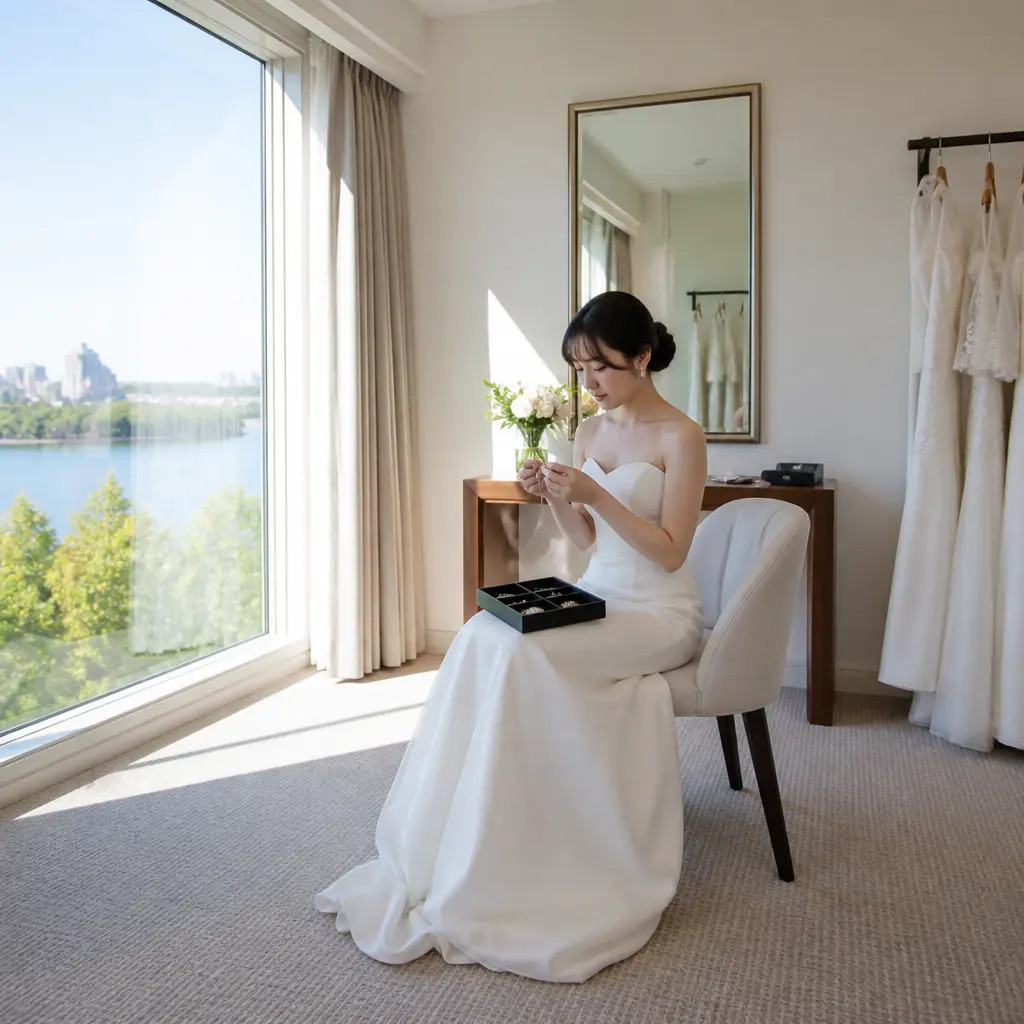
For a wedding, a white or ivory pearl tennis bracelet creates a coherent connection with bridal fabrics without requiring an exact match to the dress. Akoya pearls provide a highly uniform formal look, while freshwater pearls offer more flexibility for bridesmaids’ color palettes. A slim bracelet can accompany lace, satin, or beaded sleeves; a graduated bracelet is better suited to a simple gown with minimal embellishment.
The bracelet should be fitted securely but not tightly. A professional jeweler can measure the wrist and allow enough room for comfortable movement without permitting the piece to rotate excessively. Before the ceremony, the wearer should also confirm that perfume, hairspray, cosmetics, and hand lotion have fully dried, since pearls are porous and can be affected by chemicals and repeated exposure to moisture.
Anniversaries, Graduations, and Milestone Gifts
A pearl tennis bracelet is especially meaningful as a milestone gift because pearls are frequently associated with maturity, continuity, and enduring relationships. For an anniversary, choose a metal color that relates to the recipient’s existing jewelry and a pearl type that reflects personal style. For a graduation or career milestone, a smaller cultured-pearl design offers polish while remaining suitable for professional settings.
Gift buyers should request documentation describing whether the pearls are cultured, the metal fineness, the bracelet length, and any treatment disclosures. The Federal Trade Commission requires accurate jewelry marketing, including truthful representations about precious metals and pearl identity. A written appraisal may be useful for insurance, but it is not the same as a retail price guarantee or a laboratory grading report.
Black-Tie Events and Evening Celebrations
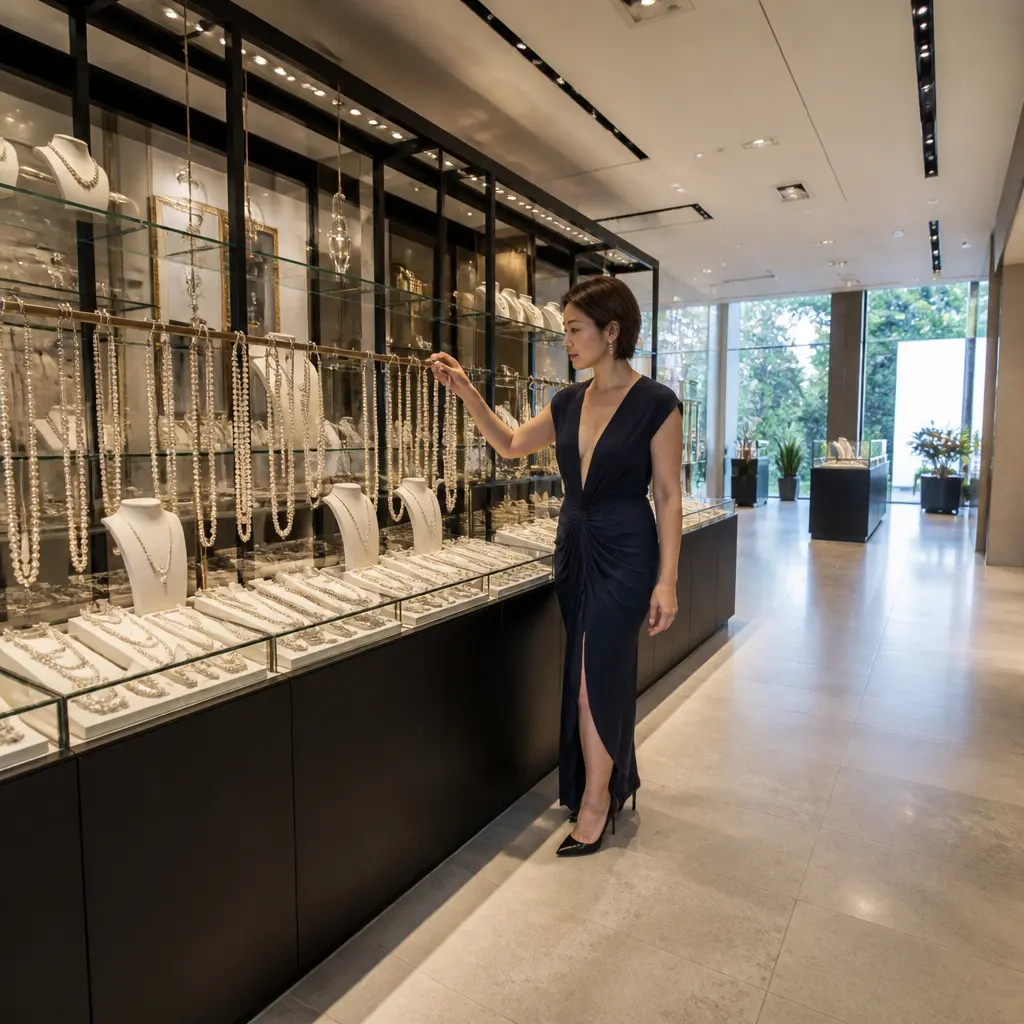
For black-tie dressing, pearl tennis bracelets work best when they establish one clear focal point. A white Akoya bracelet can refine a dark gown, while Tahitian or golden South Sea pearls can introduce contrast to neutral tailoring. If the bracelet is large or strongly colored, balance it with understated earrings and a simple ring rather than layering several competing pieces.
The tennis-bracelet silhouette also has useful historical associations. The term became widely recognized after tennis champion Chris Evert asked officials to pause a 1987 U.S. Open match when her diamond bracelet broke. That story helped popularize the continuous-line bracelet as a sporty yet elegant design, a legacy that pearl versions reinterpret for formal occasions.
Evaluating Quality, Setting, and Wearability
Pearl Luster, Matching, and Surface Quality
Luster is the sharpness and depth of reflected light from the nacre, and it is one of the most important visual indicators of pearl quality. A strong-luster bracelet appears brighter and more dimensional than one with a dull or chalky surface. Examine the pearls under diffuse light for scratches, pits, chalky patches, excessive blemishes, and abrupt differences in color or reflection.
Perfect uniformity is not always necessary. A well-designed baroque bracelet can be attractive precisely because its irregular forms create movement. The key is intentional coordination: the pearls should share a compatible color family, luster level, scale, and spacing. GIA’s pearl education materials support evaluating the complete combination of quality factors rather than judging a bracelet by one characteristic.
Metal, Clasp, and Structural Security
Pearl tennis bracelets may be set in sterling silver, gold, platinum, or other jewelry metals. The metal should support the pearls without creating sharp edges that could snag clothing or abrade nacre. Inspect link flexibility, prong alignment, clasp action, solder points, and the presence of a safety chain or secondary lock.
A secure clasp is particularly important because pearls are often worn at weddings, dances, and receptions involving frequent arm movement. Before an event, open and close the clasp several times, check that every pearl moves naturally with the links, and ask a jeweler to tighten or replace worn components. An annual professional inspection is sensible for a frequently worn bracelet.
Caring for Pearl Tennis Bracelets After Special Occasions
Pearls should be the last jewelry put on and the first jewelry removed. The American Gem Society and the Gemological Institute of America both recommend avoiding contact with perfumes, cosmetics, hairspray, household cleaners, chlorine, and abrasive materials. After wearing, gently wipe the bracelet with a soft, slightly damp cloth and allow it to dry before storage.
- Store the bracelet separately in a soft pouch or lined compartment to reduce scratching.
- Do not place pearls in an ultrasonic cleaner or expose them to steam unless a qualified jeweler confirms that the entire construction is safe.
- Avoid storing pearls in an airtight plastic bag for long periods because trapped moisture can damage settings and organic materials.
- Have the strand, links, and clasp examined if a pearl becomes loose, the bracelet catches on clothing, or the clasp feels unreliable.
Pearl tennis bracelets bring together the continuous-line elegance of tennis jewelry and the organic luster of cultured pearls. Freshwater and Akoya styles provide versatile refinement for weddings, daytime ceremonies, and professional celebrations, while South Sea and Tahitian designs deliver stronger presence for formal evenings. Quality depends on luster, matching, nacre, setting security, and accurate disclosure, not simply on size or price. Buyers should compare pearl type, metal, clasp construction, and care requirements, then choose a proportion suited to the wearer and occasion. Further reading from GIA, the American Gem Society, and the Federal Trade Commission can help confirm quality claims before purchase.
Sources: Gemological Institute of America, Pearl Quality Factors, https://4cs.gia.edu/en-us/pearl-quality-factor/; Gemological Institute of America, Pearl Care and Cleaning, https://www.gia.edu/pearl-care-cleaning; Federal Trade Commission, Jewelry, Precious Metals, and Pewter Industries Guides, https://www.ftc.gov/legal-library/browse/rules/jewelry-precious-metals-pewter-industries-guides; American Gem Society, Pearl Care and Cleaning, https://www.americangemsociety.org/pearl-care-cleaning/; United States Tennis Association, Chris Evert and the Tennis Bracelet Story, https://www.usta.com/en/home/pro/pro-media—news/2020/chris-evert-tennis-bracelet.html