
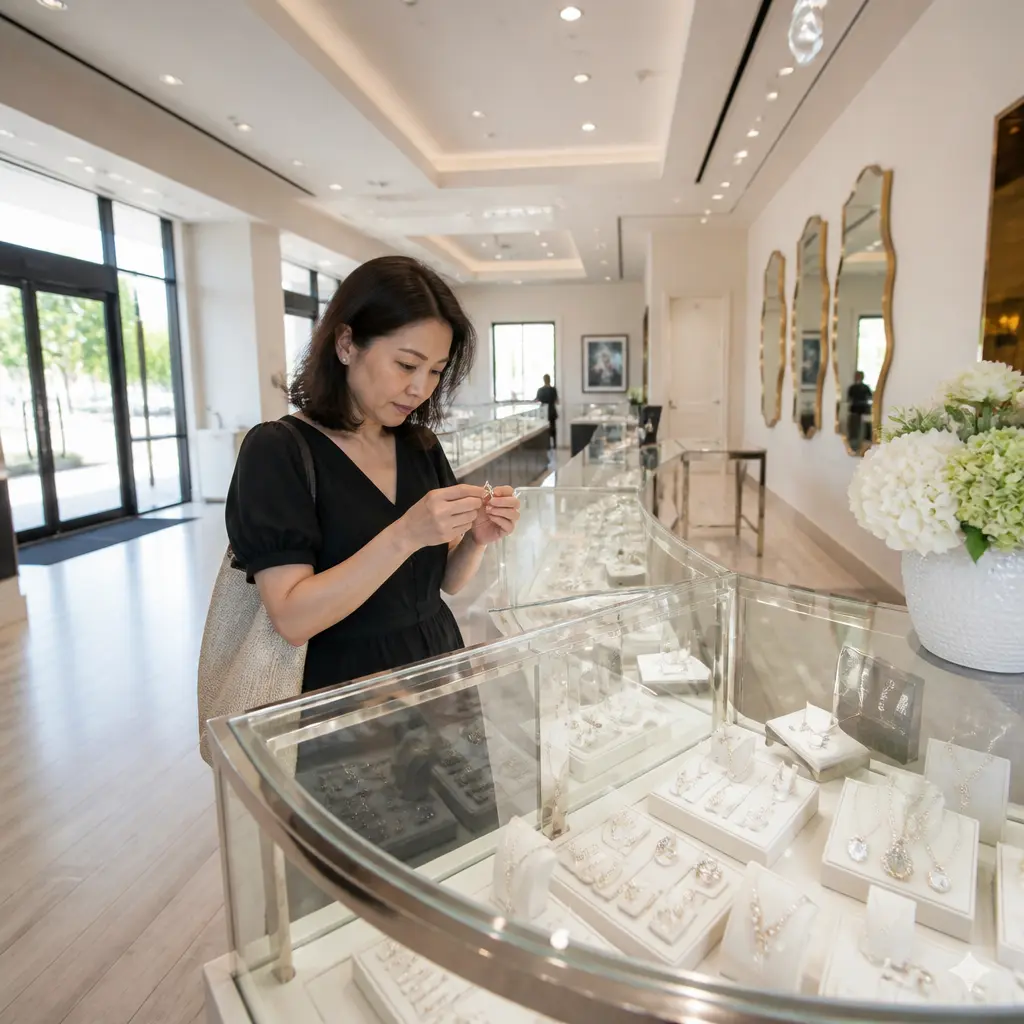
Pearl gifting is the practice of choosing natural, cultured, or imitation pearls as a present for a particular recipient, relationship, or milestone. Before gifting pearls for a special occasion, consider the symbolism of the event, the recipient’s style, pearl type, quality, provenance, care requirements, and seller disclosures. The Gemological Institute of America identifies pearl as one of June’s birthstones and associates it with the 30th wedding anniversary, while the U.S. Federal Trade Commission requires sellers to distinguish cultured and imitation pearls from naturally formed pearls. These details make pearl jewelry meaningful, but they also show why occasion, authenticity, budget, and practicality should guide the purchase.
Pearl Gifting Suitability: Matching the Gemstone to the Occasion
Pearl gifting suitability is the degree to which a pearl present fits the event, the recipient, and the intended emotional message. In practical terms, a suitable gift balances symbolism with wearability: a pearl may represent elegance, longevity, affection, or a new beginning, but its style should also match the recipient’s wardrobe and comfort level.
Pearls are especially relevant for June birthdays and 30th wedding anniversaries. The Gemological Institute of America lists pearl among June’s birthstones and identifies it as the traditional gemstone for a 30th anniversary. Other suitable occasions include weddings, graduations, promotions, retirements, Mother’s Day, milestone birthdays, and commemorations. These are occasion-based hyponyms of pearl gifting suitability: bridal pearls emphasize tradition, graduation pearls suggest achievement, and anniversary pearls communicate continuity and enduring commitment.
Birthday and Anniversary Pearls
Birthday and anniversary pearls are gifts selected to connect the gemstone with a personal milestone. For a June birthday, a simple pearl pendant, stud earrings, or bracelet can acknowledge the birthstone without requiring the recipient to wear a formal necklace. For a 30th anniversary, a strand, pearl-and-diamond design, or pair of earrings can carry stronger ceremonial significance.
The relationship between occasion and design matters. A long strand may suit someone who regularly wears classic clothing, whereas small studs are more versatile for daily use. If the recipient prefers contemporary jewelry, baroque pearls, mixed metals, or asymmetrical designs may communicate thoughtfulness more effectively than a traditional uniform strand.
Bridal, Graduation, and Professional Pearls
Bridal pearls are jewelry pieces chosen for a wedding or engagement-related celebration. Their soft luster and neutral colors can complement many wedding styles, but the gift should account for the recipient’s dress neckline, metal preference, and intended use after the ceremony. A discreet pair of earrings is often more reusable than a highly formal necklace purchased only for the wedding day.
Graduation and professional pearls are generally best when they are polished but not overly ornate. A pendant, small hoops with pearl accents, or classic studs can transition from interviews to workplace settings. This practical approach is important because jewelry that matches the recipient’s existing routine is more likely to be worn and remembered.
Pearl Authenticity: Natural, Cultured, and Imitation Types
Pearl authenticity describes whether a pearl formed naturally, developed through human-assisted cultivation, or merely imitates the appearance of a pearl. The Gemological Institute of America explains that cultured pearls are genuine pearls produced with human intervention, usually through the intentional insertion of a nucleus or tissue into a mollusk. Natural pearls form without that deliberate intervention and are comparatively rare in modern jewelry.
This distinction is one of the most important considerations before purchasing. Cultured pearls are not fake; they are real pearls produced through aquaculture. Imitation pearls, by contrast, are manufactured from materials such as glass, plastic, or shell and do not contain the same kind of nacreous growth. The Federal Trade Commission’s Jewelry Guides require accurate representation of terms such as “cultured,” “imitation,” and “simulated,” helping consumers understand what they are buying.
Freshwater, Akoya, Tahitian, and South Sea Pearls
Pearl variety is a useful category for comparing appearance, origin, and price. Freshwater pearls are commonly associated with a broad range of shapes and colors, and many are cultivated in freshwater mussels. Akoya pearls are known for their traditionally round forms and bright luster. Tahitian pearls are often recognized for naturally dark body colors, while South Sea pearls are associated with larger sizes and white, silver, or golden tones.
These labels describe pearl-producing environments and commercial categories rather than a simple ranking from best to worst. A smaller, well-matched freshwater pair may be a better gift than a larger pearl that conflicts with the recipient’s taste. Buyers should ask whether the color is natural or treated and whether the listed variety accurately describes the pearls.
Disclosure, Documentation, and Seller Reliability
Disclosure is the clear communication of a pearl’s type, treatments, measurements, setting materials, and condition. Reliable sellers should identify whether pearls are cultured or imitation and should not imply that all pearls are naturally formed. For expensive pieces, request an itemized description, return policy, warranty information, and an independent laboratory report when appropriate.
The CIBJO Pearl Blue Book provides internationally oriented terminology for describing pearls and related treatments. Buyers do not need to memorize industry standards, but familiarity with consistent language can help them compare listings that use terms such as nacre thickness, overtone, luster, surface quality, shape, and matching.
Pearl Quality: Evaluating Luster, Surface, Shape, and Size
Pearl quality is the combined visual and structural assessment of a pearl, rather than a single universal grade. The Gemological Institute of America commonly evaluates pearls through characteristics including size, shape, color, luster, surface quality, nacre quality, and matching. In jewelry sets, matching is particularly important because earrings and strands contain multiple pearls that should appear balanced together.
Luster and Surface Quality
Luster is the intensity and sharpness of light reflected from the pearl’s surface and beneath its nacre layers. Strong luster can make a pearl appear lively and well-defined, while weak luster may give it a chalky or dull appearance. Surface quality refers to visible marks, spots, pits, wrinkles, or abrasions. Nearly all cultured pearls have some surface characteristics, so the relevant question is whether imperfections are noticeable from normal wearing distance.
A useful buying practice is to examine pearls under neutral, diffuse lighting rather than relying only on heavily edited product photography. For a necklace or bracelet, inspect several pearls across the piece. A small surface mark hidden near a drill hole may have little practical impact, while a prominent abrasion on the front of a pendant can affect both appearance and value.
Shape, Color, and Wearable Size
Shape ranges from round and near-round to oval, button, drop, circled, and baroque. Round pearls traditionally command strong consumer interest, but irregular baroque pearls can offer distinctive character and contemporary styling. Color includes the main body color and, in some pearls, secondary overtones that appear across the surface.
Size should be considered in relation to the recipient rather than treated as an automatic indicator of quality. Delicate studs may be suitable for someone who prefers understated jewelry, while larger drops may suit a person who enjoys statement accessories. A useful comparison chart for shoppers would place pearl diameter beside jewelry type, recipient preference, and occasion formality; this prevents size from overshadowing luster, comfort, and design.
Pearl Care: Preserving the Meaning and Usability of the Gift
Pearl care is the set of handling, cleaning, storage, and maintenance practices used to protect nacre and jewelry components. The Gemological Institute of America recommends putting pearls on after cosmetics, perfume, hairspray, and other substances have been applied, because chemicals and acids can damage or dull their surface.
Cleaning and Storage
After wearing, pearls can generally be wiped gently with a soft, damp cloth and allowed to dry before storage. They should be kept separately from harder gemstones and metal items that may scratch their surfaces. A fabric-lined compartment or soft pouch is preferable to a loose jewelry box, and pearls should not be stored in an excessively dry or hot environment.
Pearl strands also require attention to their stringing. Frequent wear can stretch or soil the silk or other stringing material, so a regularly worn necklace may eventually need professional restringing. Including a short care card with the gift is a practical way to protect the jewelry and demonstrate that the giver has considered long-term use.
Ethical and Environmental Considerations
Ethical pearl gifting considers labor, farming practices, traceability, and the environmental claims made by a seller. Pearl cultivation depends on living mollusks and aquatic ecosystems, but the effects of farming vary according to location, stocking density, waste management, disease control, and local regulation. Buyers should be cautious of broad claims that a pearl is automatically sustainable simply because it is cultured.
Ask sellers where the pearls were cultivated, how they describe their farming standards, and whether the metal and packaging have documented sources. A transparent seller may not be able to provide a complete supply-chain history for every component, but clear answers and specific documentation are stronger indicators than vague environmental language.
Pearl Gift Selection: Budget, Personal Style, and Presentation
Pearl gift selection is the final decision-making process that combines occasion, authenticity, quality, care, and personal preference. Establish a budget before shopping, then compare pieces within that range using the same criteria. Price can be influenced by pearl type, size, shape, luster, surface quality, matching, metal purity, craftsmanship, brand positioning, and documentation.
Personal Style and Comfort
Personal style is often more predictive of gift success than traditional symbolism. Review the recipient’s existing jewelry: yellow gold, white metals, rose gold, colorful stones, minimalist designs, or vintage shapes can reveal preferences. Also consider allergies, pierced or unpierced ears, necklace length, clasp accessibility, and whether the person prefers lightweight jewelry.
When preferences are uncertain, choose a versatile design with a clear return or exchange policy. A gift receipt can be especially valuable for earrings, ring sizes, and necklace lengths. The goal is not merely to give a pearl but to give an item the recipient can comfortably incorporate into everyday life.
Presentation and Personal Meaning
Presentation includes the box, care information, documentation, and personal message accompanying the jewelry. A note explaining why the pearl was chosen can connect the gemstone to the milestone without making unsupported claims about rarity or value. For an anniversary, the message might emphasize shared years; for a graduation, it might connect the pearl with confidence and a new chapter.
Pearl gifting is most effective when sentiment and practicality reinforce each other. A carefully selected cultured pearl with accurate disclosure, suitable styling, and clear care instructions can be more meaningful than an expensive piece chosen without considering the recipient.
Conclusion: Making Pearl Gifting Thoughtful and Informed
Pearl gifting suitability begins with the occasion and recipient, while pearl authenticity clarifies whether the piece is natural, cultured, or imitation. Pearl quality depends on more than size: luster, surface, shape, color, nacre, and matching all contribute to appearance. Pearl care protects the gift after purchase, and ethical sourcing encourages buyers to evaluate farming claims and supply-chain transparency. Before buying, compare designs, confirm disclosures, review seller policies, and include care guidance. Further reading from the Gemological Institute of America, the Federal Trade Commission, and CIBJO can help shoppers make a pearl gift that is beautiful, appropriate, and responsibly represented.
Sources: Gemological Institute of America, Pearl Buying Guide, https://www.gia.edu/pearl/buyers-guide; Gemological Institute of America, June Birthstones: Pearl, Alexandrite, and Moonstone, https://www.gia.edu/birthstones/june-birthstones; Gemological Institute of America, Pearl Care and Cleaning, https://www.gia.edu/pearl-care-cleaning; U.S. Federal Trade Commission, Guides for the Jewelry, Precious Metals, and Pewter Industries, https://www.ecfr.gov/current/title-16/chapter-I/subchapter-B/part-23; CIBJO, The Pearl Blue Book, https://www.cibjo.org/introduction-to-the-blue-books/