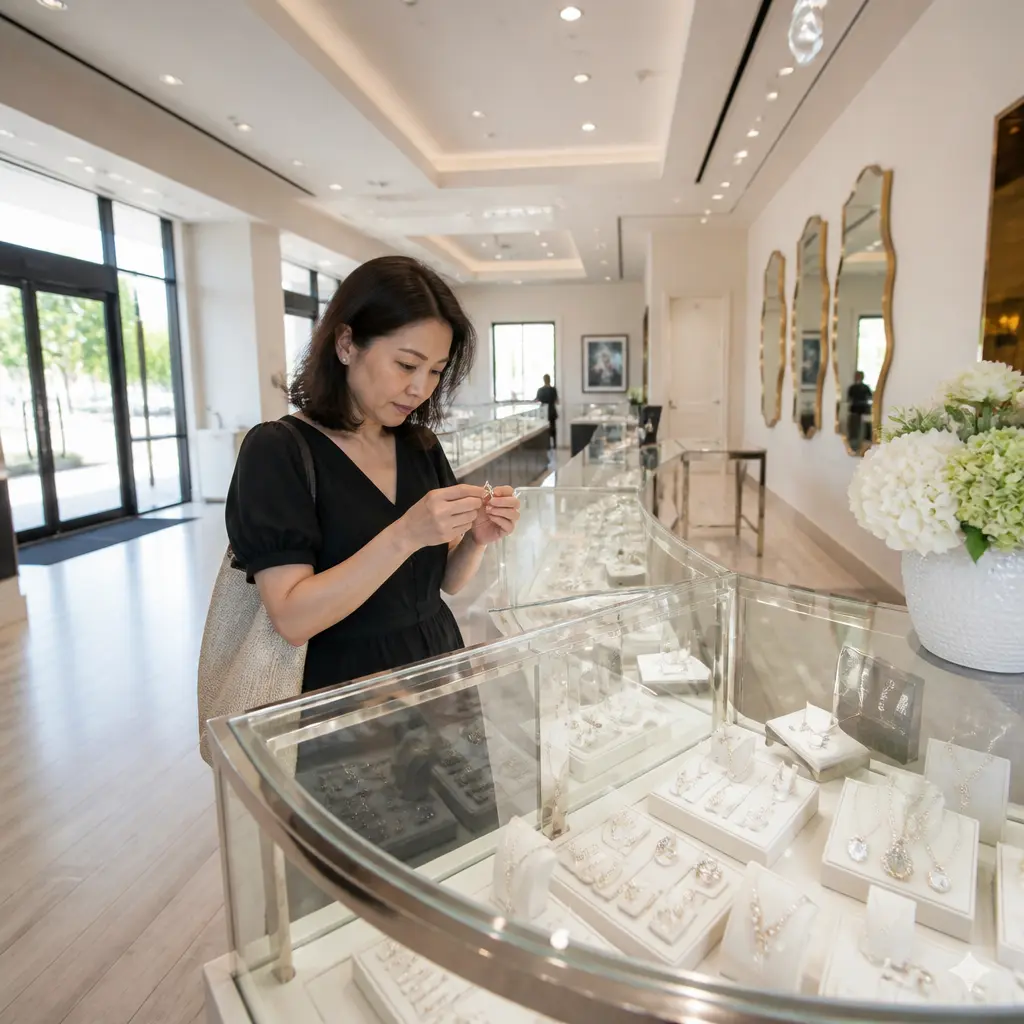
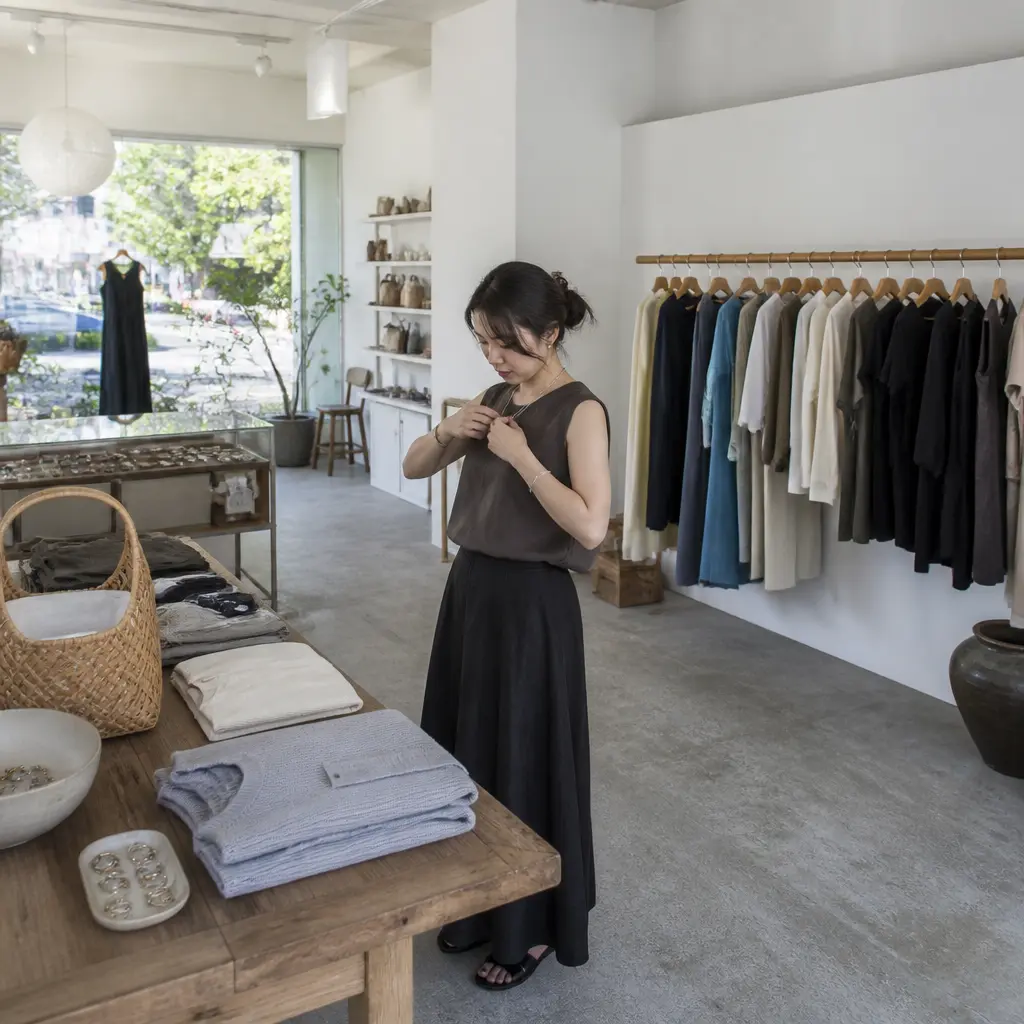
Pearls are organic gemstones formed inside mollusks, while “wearing pearls like a fashion insider” means styling them as adaptable, contemporary accessories rather than reserving them for formal or traditionally feminine outfits. This season, the most useful approach is to mix pearl scale, shape, metal, and texture: layer a short strand with chains, pair baroque pearls with denim or tailoring, use small studs for everyday polish, and let statement pearl pieces become the focal point. The Gemological Institute of America identifies pearls as organic gemstones and evaluates them through factors including luster, surface quality, shape, color, and size, making those same characteristics practical tools for building a modern jewelry wardrobe.
Pearls Are a Versatile Fashion Accent
Pearl fashion styling can be defined as the intentional use of pearl jewelry to create contrast, proportion, polish, or visual focus within an outfit. Unlike a single prescribed “pearl look,” the category includes classic strands, minimalist studs, sculptural earrings, pearl chokers, mixed-material necklaces, brooches, bracelets, and irregular baroque designs. This broader definition reflects the way contemporary jewelry is worn: as part of a personal styling system rather than as a fixed symbol of occasion or status.
The Gemological Institute of America explains that a pearl’s beauty is strongly influenced by its luster, or the quality and intensity of light reflected from its surface. In fashion terms, luster determines how formal or understated a piece appears. Bright, evenly matched pearls read as polished and dressy, while softly lustrous or irregular pearls can feel relaxed, artistic, and more suitable for casual layering.
Classic pearl jewelry
Classic pearl jewelry includes matched strands, round studs, simple drop earrings, and restrained bracelets. These pieces work as wardrobe foundations because their symmetry and regular surfaces create visual order. A single strand over a crew-neck sweater, pearl studs with a white shirt, or a short necklace worn with a black dress uses pearls in their most recognizable form without making the outfit look dated.
Contemporary pearl jewelry
Contemporary pearl jewelry uses irregular shapes, unexpected scale, mixed metals, colored stones, leather, enamel, or industrial closures. Baroque pearls are especially useful because their nonuniform contours make each piece look individual. The result is less “matching jewelry set” and more collected styling, which explains why an irregular pearl pendant can work with a T-shirt, utility jacket, or oversized blazer.
Statement pearl jewelry
Statement pearl jewelry is defined by its visual dominance, whether through oversized pearls, multiple strands, sculptural settings, or dramatic earrings. A statement piece should usually have room to lead. Pairing large pearl earrings with a high neckline and elaborate necklace, for example, can create competing focal points; balancing them with clean tailoring or a simple top gives the pearls greater impact.
Pearl Types Create Different Styling Effects
The most effective styling decisions begin with the pearl type. “Cultured pearl” describes a pearl produced with human assistance, while “natural pearl” describes one formed without deliberate human insertion of an irritant or bead. The Federal Trade Commission requires jewelry descriptions to make important disclosures about cultured status and treatments, so shoppers should read product labeling rather than assume that every pearl is naturally formed.
Freshwater pearls
Freshwater pearls are commonly associated with broad shape and color variety, including round, oval, button, drop, and baroque forms. Their range makes them useful for casual experimentation. Choose softly irregular freshwater pearls for layered necklaces, colorful outfits, and relaxed tailoring; choose rounder, brighter examples when you want a more traditional effect.
Akoya pearls
Akoya pearls are typically recognized for their round shapes and bright, mirror-like luster. They suit refined outfits such as a sharply cut suit, silk blouse, fine-gauge knit, or minimalist evening dress. Their relatively controlled appearance also makes them effective in small earrings and short necklaces, where surface quality is visible at close range.
Tahitian pearls
Tahitian pearls are known for naturally dark body colors that can include gray, green, blue, brown, and near-black tones. They provide a stronger, more modern contrast than white pearls. Wear them with charcoal, navy, olive, chocolate brown, or cream, and let the color variation echo another shade in the outfit rather than treating the pearl as a standalone novelty.
South Sea pearls
South Sea pearls are valued for their larger average size and satin-like luster, with white, silver, cream, and golden color ranges. Because their scale is naturally noticeable, one pendant or one pair of earrings can be enough. Their best fashion application is often quiet luxury: a substantial pearl against a simple neckline, neutral fabric, and limited competing jewelry.
Pearl Proportion Makes the Outfit Look Intentional
Pearl proportion refers to the relationship among pearl size, necklace length, neckline, garment volume, and the wearer’s overall visual scale. A practical three-part test is to consider the pearl’s diameter, the amount of clothing detail around it, and the number of other accessories nearby. When all three are visually strong, the result can appear crowded; when one element leads and the others recede, the styling looks deliberate.
Small pearls for everyday polish
Small studs, tiny drops, and fine pearl chains work well for offices, travel, and daily dressing. They add light reflection without imposing a formal mood. Pair them with denim, cotton poplin, knitwear, or a simple blazer to make an everyday outfit feel finished rather than overdressed.
Medium pearls for layering
Medium pearls are the most flexible size for mixed styling. A short pearl strand can sit beside a fine gold chain, a pendant, or a plain silver necklace. Varying necklace lengths creates separation, while varying textures prevents the combination from looking like a coordinated set. Leave enough space between layers for each material to remain legible.
Large pearls for a focal point
Large pearls work best when the outfit provides visual space. Use them with open collars, square necklines, strapless silhouettes, or simple crew necks. A single oversized pearl pendant can replace several smaller accessories, an approach that is particularly effective with monochrome clothing or clean architectural tailoring.
Style matrix: small pearls create subtle polish; medium pearls support layering; large pearls establish a focal point. Round pearls communicate order and tradition, while baroque pearls communicate individuality and ease. White and cream pearls brighten an outfit, dark pearls deepen it, and colored pearls can connect jewelry to shoes, bags, or knitwear.
Pearls Gain Modernity Through Contrast
Contrast styling places pearls beside an element with a different visual language. This is the main bridge between traditional pearl jewelry and fashion-insider dressing. Soft luster against denim, polished pearls against leather, and delicate earrings with oversized tailoring create tension that feels current without requiring an unusual garment.
Pearls with denim and casual cotton
A pearl strand with a denim jacket, jeans, or a cotton shirt works because the materials carry different levels of formality. Try a shorter strand with an open collar, or wear a baroque pendant over a plain T-shirt. Keep the rest of the jewelry restrained so the contrast remains readable.
Pearls with tailoring
Tailoring gives pearls a strong frame. A pearl brooch on a lapel, a long necklace over a blazer, or asymmetric pearl earrings with a structured suit can soften sharp lines while preserving authority. The most current version is usually less symmetrical: one brooch, one pendant, or mismatched earrings can look more deliberate than a fully coordinated set.
Pearls with leather and metal
Leather, chunky chains, and mixed metals prevent pearls from appearing overly delicate. Combine a fine pearl necklace with a heavier chain, or wear pearl studs with a sculptural silver cuff. Keep the metal color consistent when the pearl is the main focus; mix gold and silver only when the entire outfit already supports a deliberately eclectic direction.
Pearl Styling Follows the Occasion
Occasion-based styling does not require separate jewelry wardrobes. The same pearl can shift from formal to casual through scale, layering, hairstyle, neckline, and surrounding materials. This versatility is one reason pearls remain relevant across generations and fashion cycles.
For work and daytime
Choose studs, small hoops with pearl drops, a single short strand, or a slim bracelet. Pair them with tailoring, knitwear, shirting, or a simple dress. The goal is controlled light and proportion, not maximum shine.
For evenings and events
Use larger pearls, longer necklaces, clustered earrings, or a brooch to complement evening fabrics such as satin, velvet, silk, and crepe. Match the drama of the jewelry to the neckline: open necklines support pendants and long strands, while high necklines often suit earrings or a brooch better.
For weddings and ceremonial dressing
Pearls remain a popular ceremonial choice because their light, rounded surfaces photograph well and work with both cool and warm color palettes. For a modern result, choose one memorable element rather than repeating pearls in earrings, necklace, bracelet, hair accessories, and dress details all at once. If the garment already contains beading, select pearls with a quieter setting.
Pearl Care Protects the Fashion Investment
Pearls are comparatively soft and their nacre can be damaged by abrasion, cosmetics, perfume, hairspray, and household chemicals. The Gemological Institute of America recommends putting pearls on after applying beauty products and wiping them with a soft cloth after wear. Store them separately from harder gemstones and metal pieces, ideally in a soft pouch or lined compartment.
Wear pearls after beauty products
Apply moisturizer, fragrance, sunscreen, and hairspray before putting on pearl jewelry. This simple sequence reduces contact with substances that can dull or discolor nacre over time.
Clean pearls gently
Use a clean, slightly damp, soft cloth and avoid ultrasonic cleaners, steam cleaners, abrasive cloths, and strong jewelry dips unless a qualified professional confirms that the piece can tolerate them. If a strand is worn frequently, have the stringing inspected periodically, especially when the silk or thread shows stretching or discoloration.
Conclusion: Wear Pearls as Personal Style, Not a Rulebook
Pearl fashion styling is most successful when it treats pearls as flexible design elements. Classic pearl jewelry provides polish, contemporary pearl jewelry introduces irregularity and mixed materials, and statement pearl jewelry establishes a focal point. Freshwater, Akoya, Tahitian, and South Sea pearls each offer different combinations of shape, luster, color, and scale, while proportion and contrast determine whether the final look feels formal, casual, minimalist, or expressive.
For the current season, begin with one reliable piece, then experiment with one change at a time: a baroque shape instead of a round strand, a chain layered beside pearls, a brooch on tailoring, or a large pearl against a simple neckline. Check the pearl’s care requirements and product disclosures before buying, and use the GIA’s quality factors as a vocabulary for comparing pieces. The most fashion-insider approach is not to follow a single trend but to make the pearl feel intentional within your existing wardrobe.
Sources: Gemological Institute of America, “Pearls,” https://www.gia.edu/pearl; Gemological Institute of America, “Pearl Quality Factors,” https://www.gia.edu/pearl-quality-factor; Federal Trade Commission, “Jewelry, Precious Metals, and Pewter Industries,” https://www.ecfr.gov/current/title-16/chapter-I/subchapter-B/part-23; Smithsonian Institution, “Pearls,” https://ocean.si.edu/ocean-life/invertebrates/pearls; Vogue, “Pearls,” https://www.vogue.com/tag/pearls