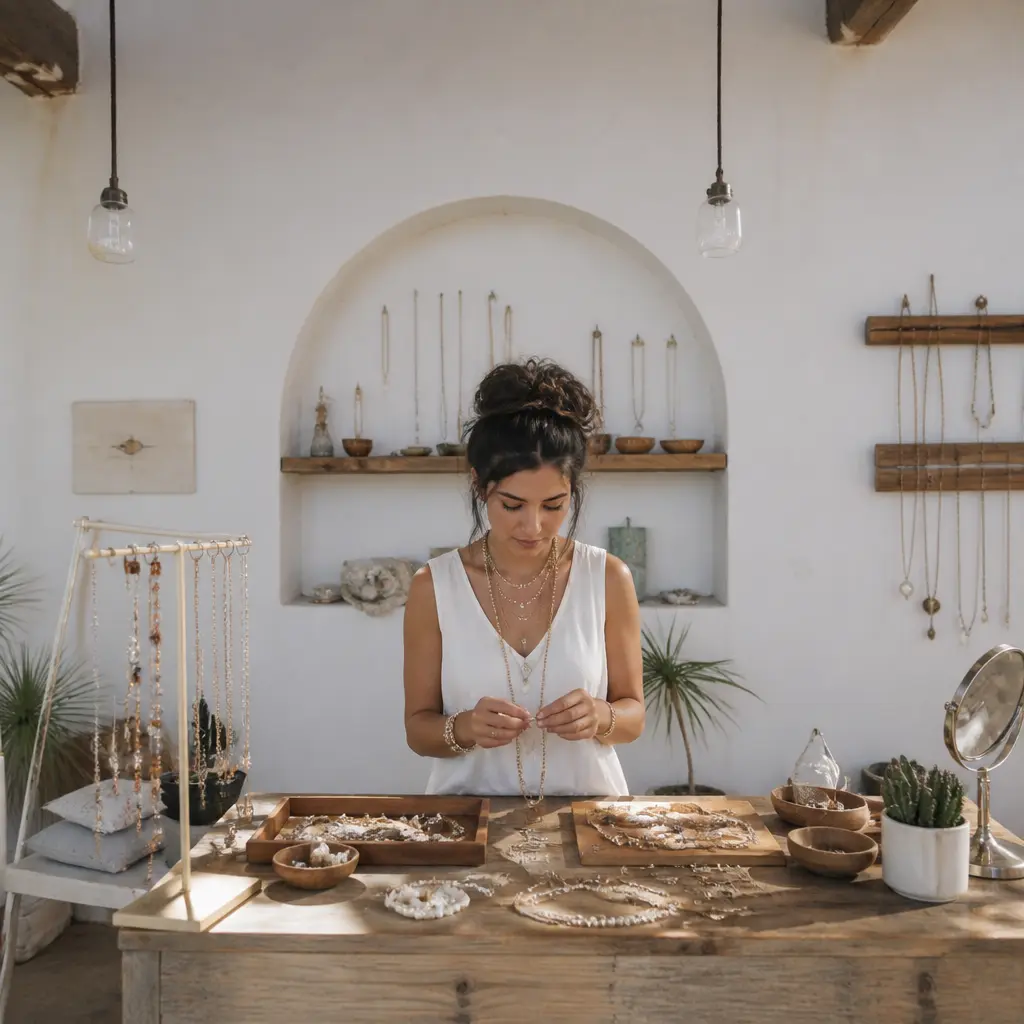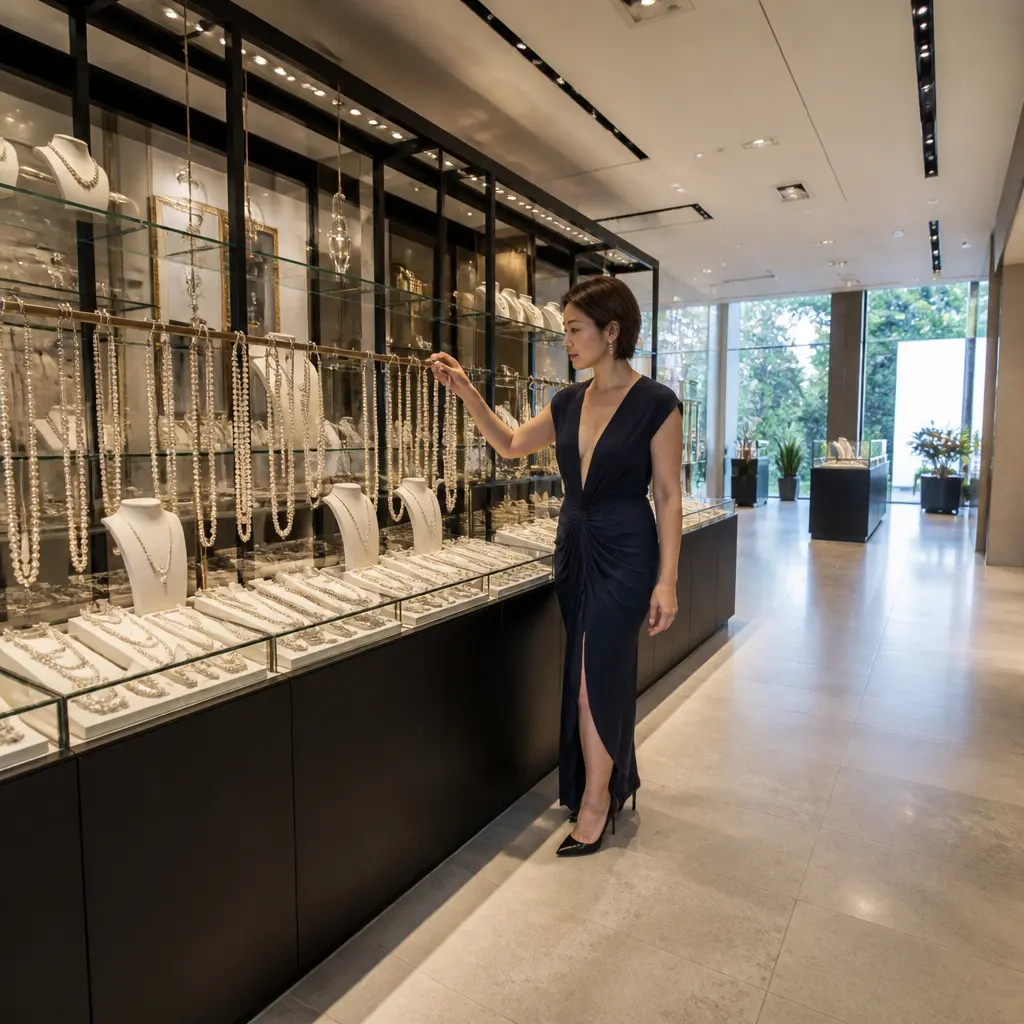
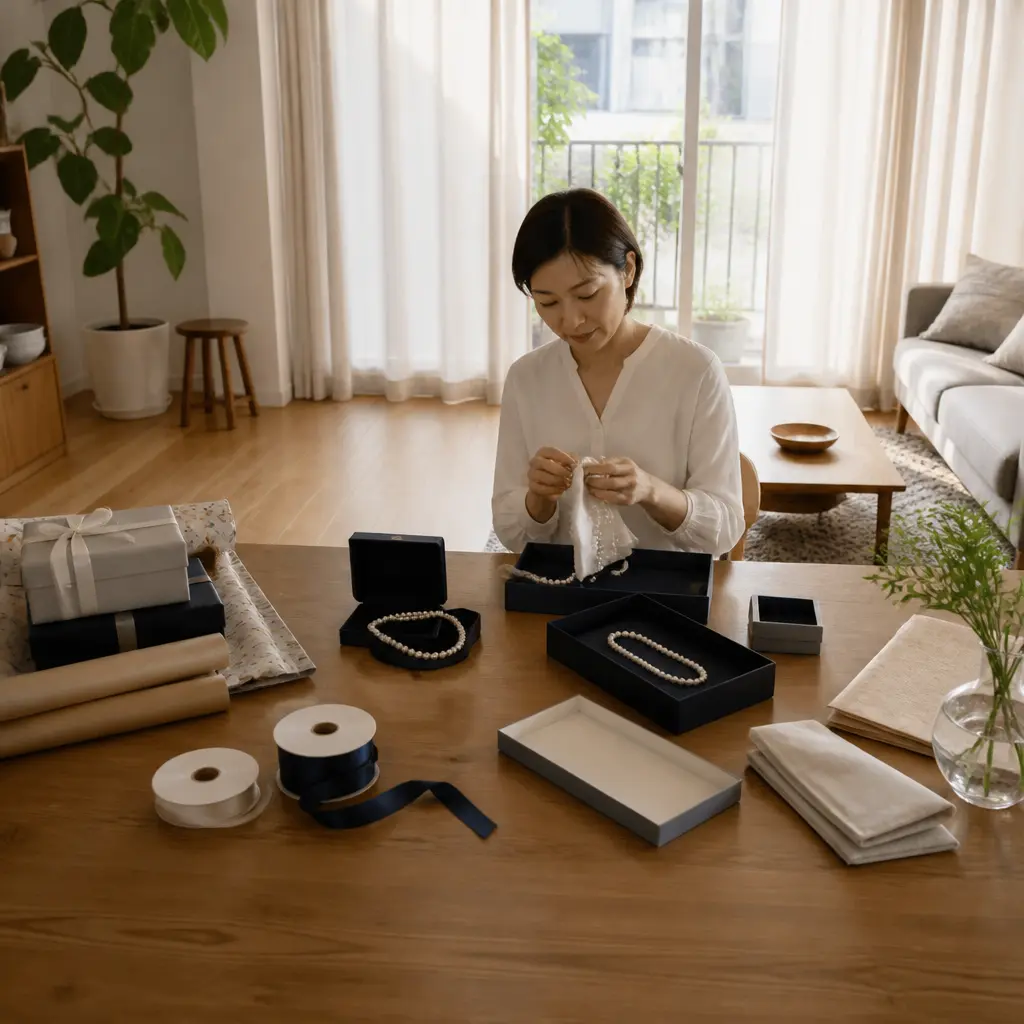
Pearl jewelry is jewelry featuring naturally or cultured-formed pearls, whose nacre surface is beautiful but comparatively delicate. To make a pearl gift feel extra special, wrap it with a protective, layered presentation: a soft individual pouch, a structured jewelry box, elegant paper, a personal note, and restrained decorative details. The approach protects pearls from scratches, pressure, moisture, and chemicals while creating a memorable unboxing experience. This matters because the Gemological Institute of America notes that pearls typically measure only about 2.5 to 4.5 on the Mohs hardness scale, making them much softer than many common gemstones, and the U.S. Environmental Protection Agency reports that containers and packaging account for a substantial share of municipal solid waste.
Protection Defines Pearl Jewelry Wrapping
Protective wrapping is the use of soft, nonabrasive materials and stable packaging layers to shield pearl jewelry during gifting, transport, and short-term storage. For pearls, protection is not merely decorative. The Gemological Institute of America explains that pearls can be scratched by harder materials and may be damaged by perfume, hairspray, cosmetics, perspiration, and household chemicals. A successful package therefore combines cushioning, separation, ventilation, and presentation.
The main protective characteristics are softness, firmness, cleanliness, breathability, and proportion. Softness prevents surface abrasion; firmness keeps the jewelry from being crushed; cleanliness avoids transferring oils or grit; breathability reduces the risk of trapping moisture; and proportion prevents a necklace or pair of earrings from moving excessively inside the box. These characteristics apply to several related wrapping forms, including pouch wrapping, box wrapping, layered gift wrapping, and sustainable presentation wrapping.
Soft Pouch Wrapping Protects Pearl Surfaces
A soft pouch is a fabric sleeve or drawstring bag that holds the pearl jewelry directly. Silk, cotton velvet, satin, or another smooth jewelry-grade fabric is preferable to rough burlap, untreated paper, or textured synthetics. Place the jewelry flat or loosely coiled inside the pouch, and avoid forcing a strand into a tight fold.
For a pearl necklace, a long pouch is more suitable than a small square bag because it reduces sharp bends in the strand. For studs, drop earrings, or a ring, a small padded pouch can prevent the item from shifting. The pouch should be clean and free from loose fibers, glitter, metal edges, and adhesive residue. A separate pouch for each piece also prevents clasps from rubbing against nacre.
Box Wrapping Adds Structure and Presentation
A jewelry box is a rigid container with an interior support system designed to hold an item securely. A good pearl box has a soft lining, a close-fitting insert, and enough depth to prevent the lid from pressing on the jewelry. The box should be large enough for the jewelry to rest naturally but not so large that it slides during handling.
Do not place loose tissue, dried flowers, metallic confetti, or rough shredded paper directly against the pearls. These materials can scratch the surface, shed particles into clasps, or transfer fragrance and dye. If decorative filler is necessary, keep it outside the inner jewelry box and use a sealed or lined compartment between the box and the outer wrapping.
Layered Presentation Personalizes Pearl Jewelry Wrapping
Layered presentation is the arrangement of several coordinated packaging elements, moving from direct protection to visual reveal. For pearl jewelry, the most effective sequence is jewelry, soft pouch, fitted box, tissue or sleeve, outer paper, ribbon, and message card. Each layer should serve a purpose rather than add unnecessary bulk.
This sequence creates a gradual discovery experience while keeping the jewelry stable. It also gives the recipient a clear place to store the piece after opening. The packaging industry’s sustainability concerns make restraint especially relevant: the U.S. Environmental Protection Agency recorded 82.2 million tons of containers and packaging in the municipal solid-waste stream in 2018. A smaller, reusable presentation can therefore feel more luxurious than an oversized package filled with disposable materials.
Color Coordination Creates a Refined Unboxing Experience
Color coordination is the deliberate selection of tones that complement the pearl’s body color and overtone. Ivory, cream, champagne, pale gray, navy, sage, and muted blush generally create a refined background without competing with the jewelry. White packaging emphasizes brightness, while charcoal or deep blue can make lighter pearls appear more luminous.
Use no more than two or three principal colors: one for the box or paper, one for the ribbon, and one optional accent for the card. A warm ivory box with a taupe ribbon suits a classic anniversary gift, while a matte navy box with a cream card can give contemporary contrast. Avoid heavily scented papers, dyed materials that may bleed, and metallic finishes that could flake into the jewelry box.
Personal Notes Give Pearl Jewelry Emotional Meaning
A personal note is a short written message that connects the pearl jewelry to a specific relationship, milestone, or memory. It can transform a beautiful object into a keepsake. Instead of writing only “Happy Birthday,” mention why the pearls were chosen: their classic character, connection to a wedding anniversary, or resemblance to a recipient’s understated style.
The note should be placed above the jewelry box or inside the outer lid, not underneath the jewelry where it may press against the pearls. A small card made from uncoated or lightly finished stock often feels more tactile and can be saved without introducing fragrance or loose embellishments into the jewelry compartment.
Material Selection Improves Pearl Jewelry Wrapping
Material selection is the process of choosing packaging components according to their surface, strength, chemical stability, and environmental impact. Because pearls are organic gems with a nacre coating, packaging should be free from abrasive fibers, harsh finishes, strong scents, and unnecessary moisture. The Jewelry Information Center and the Gemological Institute of America both recommend treating pearls gently and wiping them with a soft cloth after wear.
Fabric Linings Cushion Pearl Jewelry
Fabric linings provide the soft contact surface between the jewelry and the box. Velvet, satin, silk, and smooth cotton are common choices, but the specific fabric matters less than its cleanliness and lack of abrasive texture. Test the lining by running a clean fingertip across it; it should feel even, soft, and free of raised threads.
For a necklace, use a channel or neck form that supports the strand without kinking it. For earrings and rings, use slots or cushions that hold the metal components while leaving the pearl surface free from pressure. Avoid placing multiple pieces in one compartment unless each item is separately wrapped.
Paper and Ribbon Add Decorative Structure
Gift paper and ribbon are outer presentation materials, so they should enhance the package without touching the pearls directly. Choose acid-free or archival-style tissue when available, especially for heirloom gifts. Use paper tape or a small removable sticker on the outside of the box rather than adhesive tape near the jewelry.
Ribbon should be tied firmly enough to look polished but loosely enough that the package can be opened without scissors near the box. Cotton twill, grosgrain, linen, and smooth satin are versatile options. Avoid wire-edged ribbon, exposed staples, and decorations with sharp corners. A simple folded-paper band around the box can provide a sophisticated alternative to a large bow.
Sustainable Packaging Reduces Excess Without Reducing Luxury
Sustainable packaging uses reusable, recyclable, recycled, or responsibly sourced materials while maintaining adequate protection. A reusable fabric pouch, compact paperboard box, and recyclable outer paper can replace several layers of plastic and filler. The most sustainable package is not necessarily the package with the fewest materials; it is the package that protects the jewelry and remains useful afterward.
A practical design is a rigid box that can become a permanent pearl-storage case, wrapped in one sheet of recyclable paper and finished with a reusable ribbon. The EPA’s packaging data reinforces why right-sizing matters: excessive outer packaging increases material use without improving the care of the jewelry. A simple comparison chart for a gift guide could show three options—minimal, classic, and heirloom—with columns for protection, reuse, decorative impact, and material use.
Occasion-Based Styling Guides Pearl Jewelry Wrapping
Occasion-based styling matches the color, materials, and message to the event while preserving the same protective inner structure. The wrapping for a wedding, birthday, graduation, or anniversary can look distinct, but every version should begin with a clean pouch and secure box.
Wedding and Anniversary Wrapping Highlights Tradition
For wedding and anniversary gifts, use ivory, champagne, white, or soft gray paper with a narrow satin ribbon. A card can reference the durability of the relationship without making unsupported claims about pearls or marriage traditions. If the gift includes a strand, place the clasp at the top of the box so the recipient can immediately see how it opens.
A helpful addition is a small care card stating that pearls should be put on after cosmetics and perfume, wiped gently after wear, and stored separately from harder jewelry. The American Gem Society similarly emphasizes keeping pearls away from chemicals and abrasive contact, making a care card both thoughtful and practical.
Birthday and Graduation Wrapping Feels Fresh and Personal
Birthday and graduation gifts can use a modern palette such as sage and cream, dusty blue and white, or blush and kraft. Keep the design polished by limiting printed patterns to the outer paper or card. A short message about a new chapter, achievement, or personal style gives the gift more meaning than generic confetti or oversized bows.
For younger recipients or everyday wearers, include a small storage pouch that can travel with the jewelry. This supports good care habits and reduces the likelihood that pearls will be placed loose in a handbag, drawer, or mixed jewelry case.
Romantic and Milestone Wrapping Builds Anticipation
For a proposal, engagement, retirement, or major personal milestone, use a compact box with a controlled reveal. Place the note under the lid or attach it to the outside with a paper band so the recipient encounters the message before opening the jewelry compartment. A single ribbon and high-quality card usually communicate more sophistication than multiple decorative layers.
Avoid hiding pearl jewelry in food, flowers, or damp environments. Pearls can absorb or be affected by moisture, acids, oils, and fragrances, and an elaborate surprise should never compromise their condition. The safest memorable presentation is one that preserves the jewelry’s surface while directing attention toward the message and the moment.
Care Instructions Complete Pearl Jewelry Wrapping
Care instructions are concise directions that tell the recipient how to preserve the jewelry after unwrapping. They complete the gift because pearls require different handling from many crystalline gemstones. The Gemological Institute of America advises putting pearls on after applying cosmetics and fragrance, removing them before exercise or swimming, and wiping them with a soft cloth after use.
Storage Guidance Preserves Nacre
Store pearls in a soft pouch or lined compartment away from diamonds, colored gemstones, and metal edges. Because pearls are relatively soft, loose storage with harder jewelry can cause scratches. Keep the jewelry in a moderate, stable indoor environment rather than in direct sunlight, a hot car, a bathroom, or an airtight container exposed to changing humidity.
Handling Guidance Prevents Avoidable Damage
Handle pearl jewelry by its clasp or metal components when possible, and support a strand with both hands when lifting it from the box. Do not use abrasive polishing cloths intended for silver or gold, and do not apply jewelry cleaner unless the manufacturer specifically confirms that it is suitable for pearls. A soft, slightly damp cloth followed by gentle drying is generally safer for routine surface care.
Wrapping pearl jewelry feels extra special when every design choice has a purpose: a soft pouch protects the nacre, a fitted box provides structure, coordinated paper creates visual appeal, a personal note adds emotional value, and a care card extends the gift beyond the opening moment. Choose a proportionate, reusable package; keep decorations away from direct contact with the pearls; and tailor the colors and message to the occasion. The result is not only a beautiful presentation but also a responsible introduction to long-term pearl care.
Sources: Gemological Institute of America, Pearl Care and Cleaning, https://www.gia.edu/pearl-care-cleaning; Gemological Institute of America, Mohs Scale of Hardness, https://www.gia.edu/gia-news-research/difference-between-hardness-and-toughness; U.S. Environmental Protection Agency, Facts and Figures about Materials, Wastes and Recycling, https://www.epa.gov/facts-and-figures-about-materials-waste-and-recycling/containers-and-packaging-product-specific-data; American Gem Society, Pearl Care and Cleaning, https://www.americangemsociety.org/pearl-care/; Jewelry Information Center, How to Care for Pearls, https://4cs.gia.edu/en-us/blog/pearl-care-and-cleaning/